
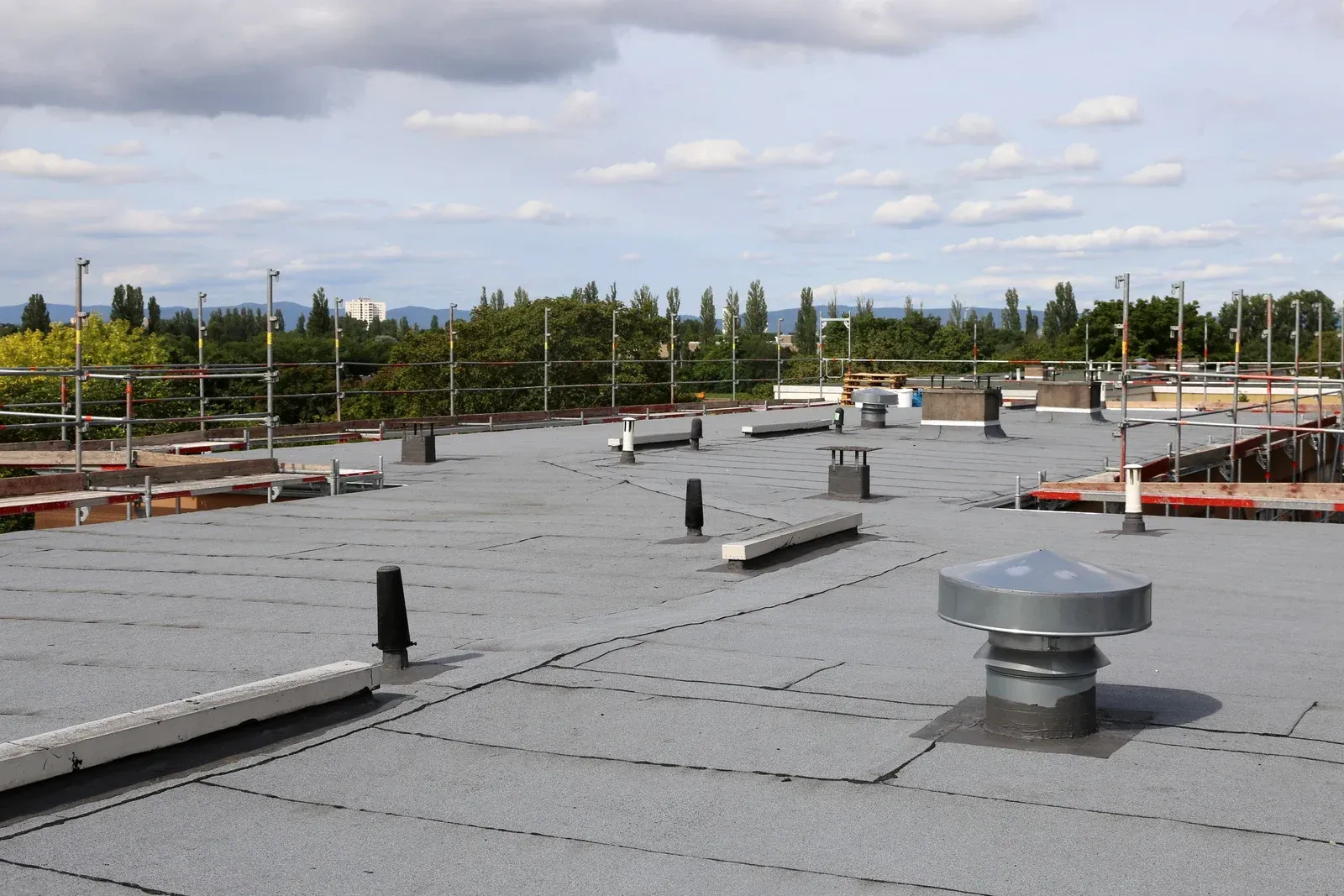
Flat Roofing Systems Engineered for Efficient Drainage and Durability
Flat roofing systems demand a different level of thinking. Unlike pitched roofs, they rely on precision drainage, seamless waterproofing, and structural balance to perform effectively over time. At Northern Roofing, flat roofing is approached as a controlled system where every layer—from insulation to membrane—works together to manage water, temperature, and load. Small inconsistencies can lead to pooling, leaks, or premature wear, which is why every installation and repair is executed with careful planning and technical accuracy. The goal is not just to build a roof, but to create a surface that performs consistently under pressure, adapting to environmental changes without failure.
We serve Missoula, Montana as well as the surrounding areas, including Lolo, Frenchtown, Bonner-West Riverside, and East Missoula.
Across Missoula County, flat roofing systems face unique challenges due to snow accumulation, freeze-thaw cycles, and seasonal moisture variation. These conditions place constant stress on membranes and drainage systems, requiring solutions that prioritize durability, water control, and structural resilience. Flat roofs in this region must be built to handle both weight and movement, ensuring long-term performance without compromise.
With over 10
years of experience, our work focuses on aligning materials, slope design, and waterproofing systems to deliver reliable results. Every flat roofing system is treated as an engineered surface, where performance depends on precision at every stage. The outcome is a roofing system that resists failure, maintains efficiency, and supports long-term structural integrity. Get started today with a flat roofing solution designed to perform—reach out now to schedule your consultation and move your project forward with confidence.
Our Flat Roofing Services
Flat Roof Installation
Installation begins with proper structural preparation, ensuring the surface is level and capable of supporting the roofing system. Membranes, insulation, and drainage components are carefully integrated to create a watertight barrier. The result is a flat roof designed for durability, efficient water management, and long-term performance.
Flat Roof Repair
Repair services address issues such as membrane damage, leaks, and pooling water. Each repair focuses on identifying the root cause and restoring system integrity. By correcting both visible and underlying problems, repairs ensure the roof continues to perform effectively without recurring issues or premature deterioration over time.
Flat Roof Replacement
When a system reaches the end of its lifespan, replacement becomes necessary to maintain structural reliability. This service involves removing existing materials and installing a new roofing system designed to meet current performance standards. The process ensures improved durability, efficiency, and long-term protection against environmental stress.
Waterproofing Systems Application
Waterproofing is essential for flat roofing performance. This service applies advanced membrane systems designed to prevent water infiltration and resist environmental wear. Proper waterproofing ensures the roof remains sealed under varying conditions, protecting the structure from moisture damage and maintaining consistent performance throughout its lifespan.
Drainage System Optimization
Effective drainage is critical for preventing water pooling on flat roofs. This service focuses on improving slope design, installing drainage components, and ensuring proper water flow. Optimized drainage reduces stress on roofing materials and prevents long-term damage caused by standing water and excessive moisture exposure.
Preventive Maintenance Programs
Routine maintenance ensures flat roofing systems continue to perform as intended. This service includes inspections, minor repairs, and system adjustments to address wear before it becomes significant. Preventive maintenance extends the lifespan of the roof, reduces unexpected issues, and supports consistent performance across changing environmental conditions.
Benefits of Flat Roofing Systems
Space Optimization Advantage
Flat roofing systems create usable space that can support equipment, storage, or additional structural features. This flexibility allows property owners to maximize functional use without expanding the building footprint, making it an efficient solution for both residential and commercial structures seeking practical design benefits.
Efficient Installation Process
Flat roofing systems typically require fewer materials and simpler structural adjustments compared to pitched roofs. This allows for faster installation timelines while maintaining quality standards. The streamlined process reduces labor intensity and project duration, making it a practical option for projects requiring efficiency and controlled construction schedules.
Simplified Maintenance Access
The level surface of flat roofs allows easier access for inspections, maintenance, and repairs. This accessibility reduces safety risks and simplifies routine upkeep, ensuring that issues can be identified and addressed quickly. Regular maintenance becomes more manageable, supporting consistent performance and reducing long-term deterioration risks effectively.
Cost-Effective Roofing Solution
Flat roofing systems often provide a more economical solution due to reduced material requirements and efficient installation methods. Maintenance and repair costs are also more predictable. This makes flat roofing a cost-effective option for property owners seeking reliable performance without the higher expenses associated with more complex roofing designs.
Modern Architectural Appeal
Flat roofing systems support contemporary design aesthetics with clean lines and minimal visual interruption. This makes them ideal for modern structures where architectural simplicity is a priority. The design flexibility allows integration with various building styles while maintaining a professional and visually appealing exterior appearance.
Energy Efficiency Potential
Flat roofs can be designed to support insulation systems and reflective materials that improve energy performance. By reducing heat absorption and maintaining stable indoor temperatures, these systems contribute to lower energy consumption. This enhances overall building efficiency while supporting long-term operational cost savings and environmental sustainability goals.
BENEFITS 1
Insert content
BENEFITS 2
Insert content
BENEFITS 3
Insert content
Strong Flat Roofing Solutions Built for Long-Term Performance
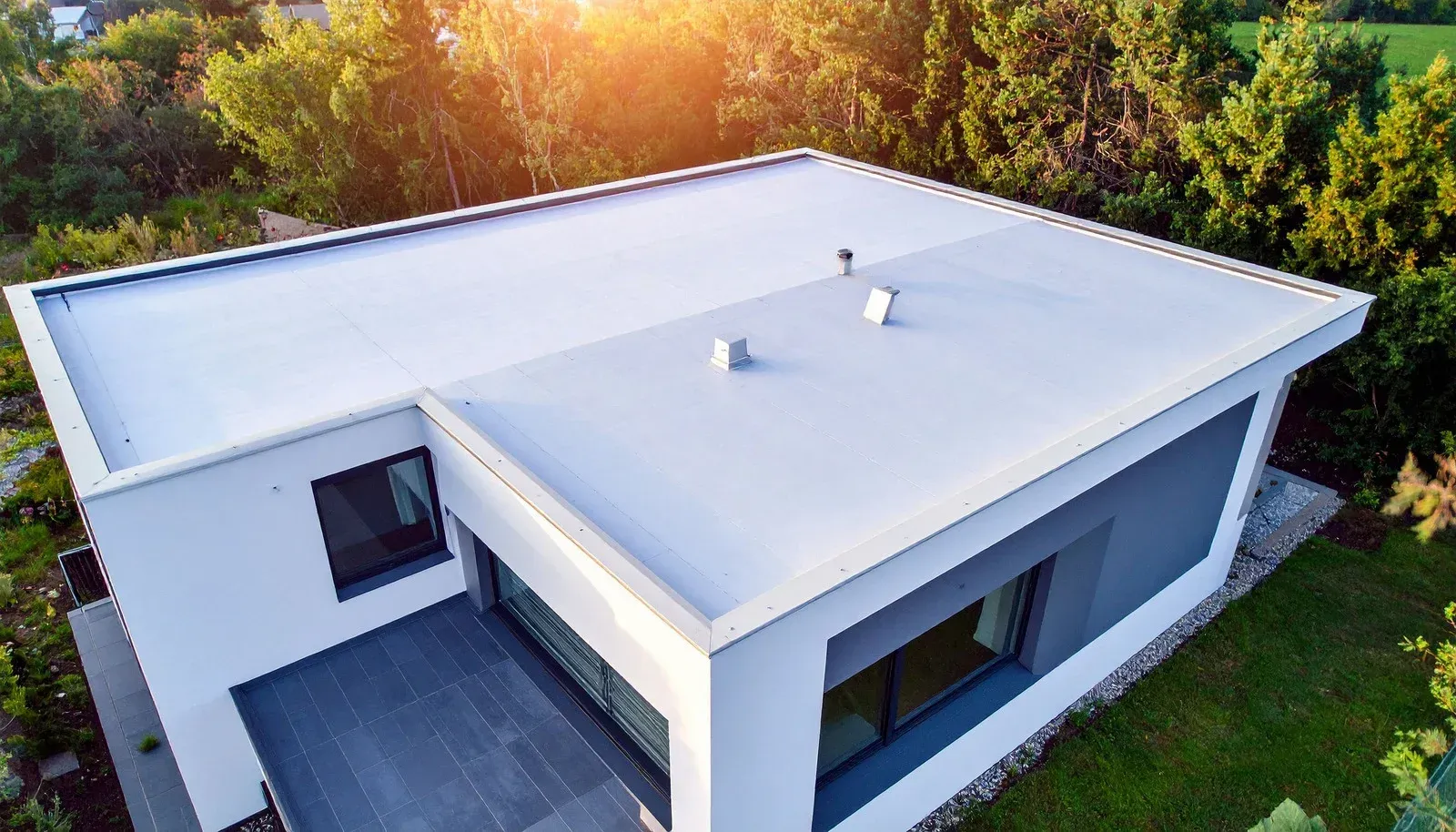
Flat roofing systems demand accuracy, planning, and an understanding of how materials respond under real conditions. At Northern Roofing, every system is built with performance in mind—balancing waterproofing, insulation, and structural support to create a roof that works as a complete system. In Missoula, Montana, where environmental factors challenge durability across every season, that level of precision is essential. Each project focuses on long-term reliability, ensuring the roof resists wear, manages moisture effectively, and maintains its structural integrity. Flat roofing is not just about simplicity in design—it is about complexity handled correctly. The result is a roofing system that performs consistently, adapts to environmental stress, and delivers dependable protection without compromise, supporting both functionality and long-term value.
FAQ's
Got Questions? We’ve Got Answers.
What makes flat roofing different from sloped roofing?
Flat roofing relies on minimal slope and requires precise drainage systems to prevent water accumulation. Unlike sloped roofs, it uses specialized membranes for waterproofing. This design allows for efficient use of space but demands careful installation and maintenance to ensure long-term performance and resistance to environmental stress factors.
How long do flat roofing systems last?
The lifespan of a flat roof depends on materials and maintenance, typically ranging from 15 to 30 years. Regular inspections and timely repairs can significantly extend its durability. Proper installation and consistent upkeep ensure that the system continues to perform effectively under varying environmental conditions without premature failure.
Do flat roofs leak more easily?
Flat roofs do not inherently leak more, but improper installation or poor drainage increases the risk. When designed and maintained correctly, flat roofing systems provide reliable waterproofing. The key is ensuring proper sealing, membrane integrity, and effective drainage to prevent water accumulation and potential infiltration issues.
What materials are used in flat roofing systems?
Common materials include TPO, EPDM, and modified bitumen membranes. Each material offers different benefits in terms of durability, flexibility, and energy efficiency. Selection depends on building requirements, environmental conditions, and performance expectations, ensuring the roofing system meets both structural and operational needs effectively.
How often should flat roofs be inspected?
Flat roofs should be inspected at least twice a year and after severe weather events. Regular inspections help identify early signs of wear, drainage issues, or membrane damage. This proactive approach ensures timely repairs, preventing small issues from developing into more significant structural or waterproofing problems.
Can flat roofs handle heavy snow?
Yes, flat roofs can handle snow loads when properly designed with adequate structural support and drainage systems. Reinforcement and proper slope design ensure that weight is distributed effectively. Regular maintenance also helps prevent excessive accumulation and ensures the roof remains capable of handling seasonal demands safely.
Why choose Northern Roofing in Missoula, Montana for flat roofing?
Northern Roofing in Missoula, Montana combines experience with a deep understanding of regional climate conditions. Flat roofing systems are designed with durability and performance in mind, ensuring they withstand environmental stress. Each project focuses on precision, delivering reliable results that support long-term structural integrity and efficiency.
What maintenance does a flat roof require?
Flat roof maintenance includes regular inspections, debris removal, drainage checks, and minor repairs. Keeping the surface clear and ensuring proper water flow prevents damage and extends lifespan. Consistent maintenance supports performance, reduces the risk of leaks, and ensures the roofing system remains efficient and reliable over time.
BENEFITS 1
Insert content
BENEFITS 2
Insert content
BENEFITS 3
Insert content