Immediate Roof Tarping Solutions for Emergency Structural Protection
When a storm tears through your neighborhood or unexpected damage exposes your roof, every minute matters. At Northern Roofing, we respond with urgency and precision, providing emergency roof tarping that prevents further destruction and stabilizes your property quickly. A compromised roof is more than an inconvenience—it puts your entire structure at risk. Our approach focuses on immediate containment, minimizing interior damage, and restoring control during stressful situations.
We serve Missoula, Montana, as well as the surrounding areas, including Lolo, Bonner, Frenchtown, and East Missoula. Across Missoula County and nearby regions, sudden weather shifts, heavy snowfall, and high winds can cause severe roofing issues without warning.
These environmental conditions demand a response that is both rapid and informed. Our work reflects an understanding of local climate challenges, ensuring that emergency tarping solutions are not only immediate but also effective against the conditions that caused the damage in the first place.
With over 10
years of experience, we understand how to act fast without sacrificing quality or safety, ensuring every tarp installation is secure, durable, and built to withstand ongoing exposure until permanent repairs are completed. Emergency roof tarping is not just a temporary fix—it is a critical step in protecting your home or business from escalating problems. Our process is structured, efficient, and focused on preventing secondary damage such as water intrusion, insulation loss, and structural weakening. By acting quickly and installing tarps with precision, we create a barrier that buys time, reduces risk, and supports a smoother transition to full roof restoration.
Our Emergency Roof Tarping Services
Storm Damage Tarping
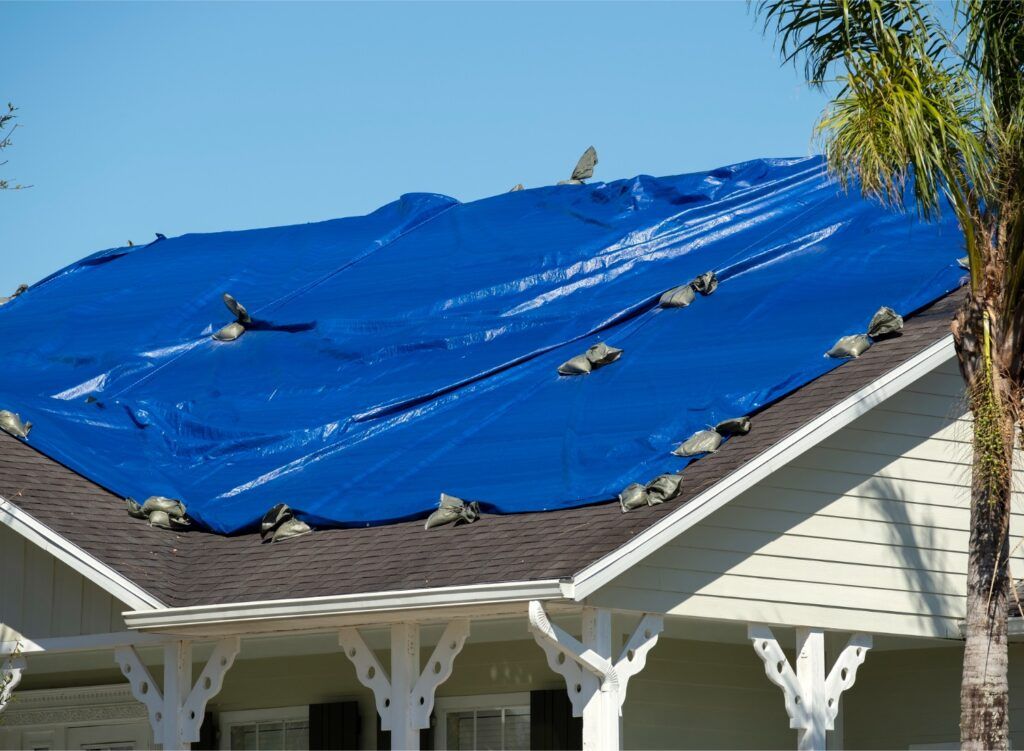
After severe weather events, roofs often suffer from missing shingles, punctures, or structural damage. This service focuses on quickly covering affected areas with durable tarps, preventing further exposure. It ensures immediate protection and stabilizes the roof until detailed inspections and long-term repair solutions can be completed properly.
Leak Containment Tarping
Active leaks can quickly cause interior damage if not addressed immediately. This service targets leak-prone areas, applying tarps to stop water intrusion at the source. By containing leaks effectively, it protects ceilings, walls, and insulation, reducing the risk of mold development and maintaining interior structural integrity during emergencies.
Temporary Roof Covering Installation
When significant portions of a roof are compromised, temporary coverings provide essential protection. This service involves installing reinforced tarps across larger sections, creating a secure barrier against environmental elements. It ensures consistent coverage and durability, maintaining protection until a full roof repair or replacement can be scheduled.
Wind Damage Protection
High winds can lift materials and expose vulnerable sections of the roof. This service addresses wind-related damage by securing tarps tightly over affected areas. Proper anchoring prevents further displacement and protects the structure from additional wind-driven debris or moisture infiltration during ongoing or future weather events.
Debris Impact Coverage
Falling branches or external debris can create openings in the roof structure. This service focuses on covering impact zones immediately, preventing exposure to rain and environmental elements. It ensures that damaged areas are sealed quickly, reducing the chance of further structural compromise or interior damage during emergency conditions.
Post-Inspection Tarp Reinforcement
After initial emergency tarping, additional reinforcement may be required for extended protection. This service strengthens existing tarp installations by improving anchoring and coverage. It ensures the temporary solution remains effective over time, especially when delays occur before permanent repairs can be completed safely and efficiently.
Benefits of Emergency Roof Tarping
Immediate Damage Control
Emergency tarping provides rapid protection against ongoing exposure caused by storm damage, fallen debris, or structural failure. By covering vulnerable areas instantly, it prevents water intrusion and further deterioration, stabilizing the situation and reducing the risk of escalating repair costs while preserving the integrity of interior spaces.
Prevents Water Intrusion
A professionally installed tarp acts as a barrier against rain, snow, and moisture, stopping water from entering the structure. This prevents issues like mold growth, insulation damage, and ceiling collapse, ensuring the property remains safer and reducing the need for extensive interior repairs after initial roof damage occurs.
Protects Structural Integrity
Exposed roofing can lead to rapid structural weakening if left untreated. Tarping helps shield the underlying framework from environmental stress, maintaining stability and preventing long-term damage. This temporary solution plays a crucial role in preserving load-bearing elements until permanent repairs or replacements can be properly executed.
Reduces Repair Costs
Quick intervention limits the extent of damage, which directly impacts repair expenses. By preventing water damage and additional deterioration, emergency tarping minimizes the scope of restoration work required later, helping property owners avoid costly repairs that often result from prolonged exposure to harsh environmental conditions.
Enhances Safety Conditions
Damaged roofs can create unsafe environments for occupants and workers. Tarping helps secure loose materials and cover exposed areas, reducing hazards such as falling debris or water-related risks. This creates a safer space while waiting for comprehensive repair work, ensuring both occupants and contractors remain protected.
Maintains Property Value
Visible damage and ongoing exposure can negatively affect property value. Emergency tarping helps preserve the appearance and condition of the structure by preventing further deterioration. This temporary protection ensures the property remains in better condition, supporting its value until permanent roofing solutions are implemented effectively.
BENEFITS 1
Insert content
BENEFITS 2
Insert content
BENEFITS 3
Insert content
Fast Response Solutions That Stabilize Roofing After Damage
When roofing damage strikes without warning, hesitation can lead to escalating problems that affect every part of your property. Northern Roofing approaches emergency roof tarping with urgency, precision, and a commitment to protecting what matters most. Every tarp installation is designed to stabilize the situation, prevent further exposure, and create a controlled environment for future repairs. In Missoula, Montana, where weather conditions can shift quickly and intensify existing damage, immediate action becomes critical. Our process focuses on speed without compromise, ensuring each solution is both effective and reliable under real-world conditions. Emergency tarping is not just about covering a problem—it is about taking control of the situation and protecting your investment until lasting solutions are implemented with confidence and care.
FAQ's
Got Questions? We’ve Got Answers.
What is emergency roof tarping and why is it necessary?
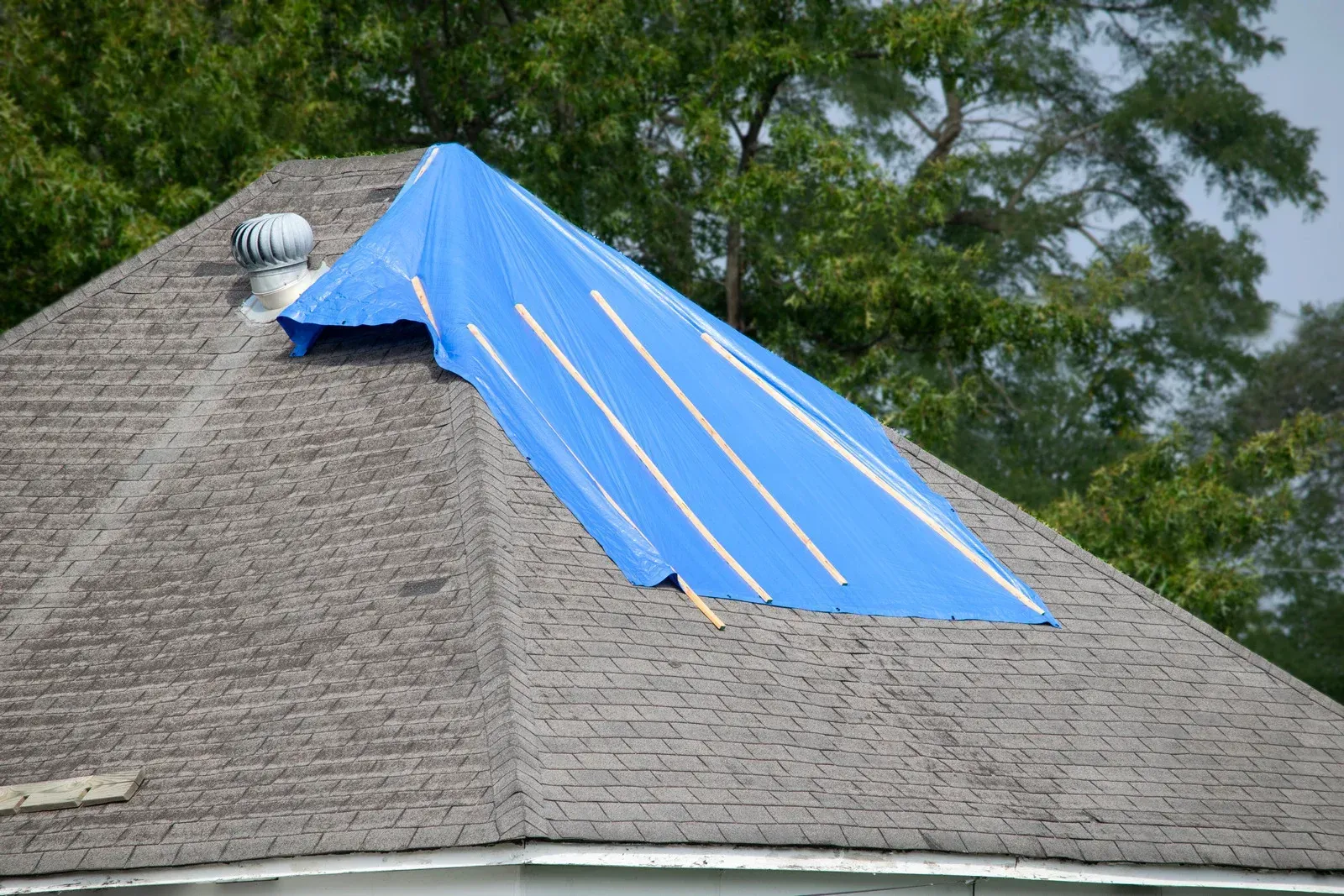
Emergency roof tarping is a temporary protective solution used when a roof is damaged due to storms, debris, or sudden structural issues. It involves covering exposed areas with durable materials to prevent further damage. This step is essential because it stops water intrusion, reduces structural risk, and buys time for proper inspection and permanent repairs to be scheduled effectively.
How quickly should roof tarping be done after damage occurs?
Roof tarping should be completed as soon as possible after damage is identified. Delays can lead to worsening issues such as water penetration, insulation damage, and interior structural problems. Immediate action helps contain the damage, minimize repair costs, and maintain a safer environment. Quick response ensures the situation remains controlled while long-term solutions are planned properly.
How long can a roof tarp remain in place?
A properly installed roof tarp can last several weeks to a few months, depending on weather conditions and installation quality. It is designed as a temporary measure, not a permanent solution. Regular inspections are important to ensure it remains secure and effective until full repairs are completed without compromising the structure’s safety or stability.
Will tarping completely stop all leaks?
Tarping significantly reduces or stops most water intrusion, but effectiveness depends on the extent of damage and installation quality. While it provides strong temporary protection, it may not address hidden issues beneath the surface. It is a containment solution designed to limit damage until a full repair or replacement can resolve the root problem permanently.
Can emergency tarping be done during bad weather?
Emergency tarping can often be performed during light rain or ongoing conditions, but safety remains the priority. In severe weather, temporary stabilization may be done until conditions improve. Once it is safe, proper tarping is installed to ensure effectiveness. The goal is to act quickly without putting anyone at unnecessary risk during hazardous conditions.
Is emergency roof tarping covered by insurance?
Many insurance policies cover emergency tarping as part of damage mitigation, especially after storms or unexpected incidents. It is considered a necessary step to prevent further loss. Documentation of the damage and the tarping process is often required. Checking policy details helps confirm coverage and ensures proper claim handling after emergency situations.
How does Northern Roofing handle emergency tarping in Missoula?
At Northern Roofing in Missoula, Montana, emergency tarping is approached with speed and precision. We assess the damage, secure the affected areas, and install durable tarps designed to withstand local weather conditions. Every step is focused on protecting the structure immediately while preparing for a smooth transition to permanent repair solutions.
What makes emergency tarping effective in Missoula’s climate?
In Missoula, Montana, emergency tarping must withstand wind, snow, and sudden weather changes. At Northern Roofing, installations are reinforced to handle these conditions effectively. The focus is on secure anchoring and durable materials that remain stable despite environmental stress, ensuring consistent protection until long-term roofing work can be completed safely.
BENEFITS 1
Insert content
BENEFITS 2
Insert content
BENEFITS 3
Insert content